The global supply chain for vanilla is a delicate and intricate web, and at its heart lies the island nation of Madagascar. This single region is responsible for supplying over 80% of the world's high-quality, natural vanilla, a key flavoring agent in countless products, from perfumes to the ubiquitous pint of ice cream. The journey from a fragrant orchid flower to the complex, flavorful bean is a long and perilous one, heavily dependent on the whims of nature. Consequently, a storm in Madagascar doesn't just mean local rainfall; it sends ripples through financial markets and ultimately dictates the price consumers pay for a scoop of their favorite dessert thousands of miles away.
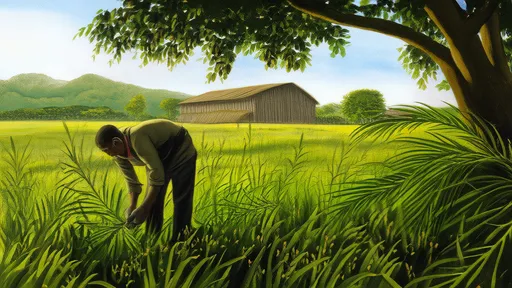
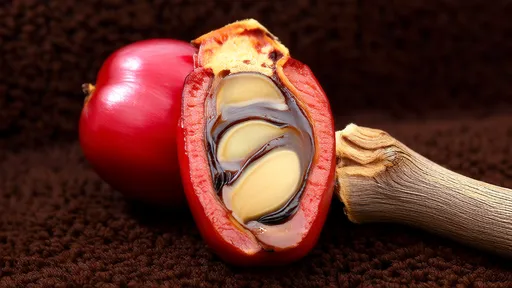
The cultivation of Vanilla planifolia is an exceptionally labor-intensive and time-sensitive process. The vanilla orchid flowers must be hand-pollinated within a brief window of a single day. Following this, the beans require a precise nine-month growing period on the vine before they are harvested, cured, and dried—a months-long artisanal process that develops the signature aroma. This entire cycle is acutely vulnerable to meteorological conditions. Ideal weather consists of consistent warmth, high humidity, and a balanced mix of sunshine and rain. Any significant deviation can spell disaster for the year's crop.
When weather patterns in Madagascar turn unfavorable, the impact on the vanilla crop is immediate and often severe. Cyclones, which frequently batter the island's northeastern Sava region—the country's vanilla heartland—can physically destroy the delicate vines and unripe pods. Beyond the obvious wind damage, these storms bring torrential rains that can waterlog roots, promote fungal diseases, and wash away flowers, decimating the potential yield before it even begins to develop. Conversely, periods of prolonged drought stress the plants, leading to underdeveloped beans with lower vanillin content, the compound responsible for vanilla's primary flavor and scent. This reduced quality and quantity create an instant supply shock in the global market.
This is where the futures market enters the equation. Commodity traders and large food conglomerates, keenly aware of Madagascar's dominance and vulnerability, use vanilla futures contracts as financial instruments to hedge against this volatility. A futures contract is essentially a bet on the future price of a commodity. When news breaks of a cyclone forming in the Indian Ocean or reports surface of a drought in the Sava region, traders anticipate a future shortage. This anticipation triggers a flurry of buying activity on the futures market, driving the contract price for vanilla beans up dramatically, sometimes doubling or tripling within a matter of weeks, long before the actual harvested beans ever reach a port.
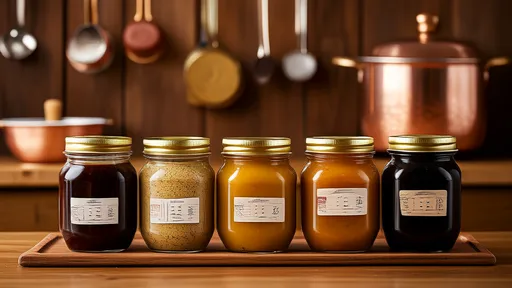
For major ice cream manufacturers, vanilla is not merely an ingredient; it is a cornerstone of their product line. Natural vanilla flavor, derived directly from the bean, is highly prized for its rich and complex profile, which synthetic vanillin struggles to replicate perfectly. While some companies might use a blend, premium brands rely almost exclusively on the real thing to maintain their market position and flavor integrity. Therefore, they are direct participants in this volatile market. When the futures price spikes, the cost of securing their annual supply of vanilla extract or beans soars. This increased cost of goods sold (COGS) is a significant financial hit that cannot be absorbed indefinitely.
The final link in this chain is the global consumer. Food manufacturers operate on thin margins and are ultimately answerable to their shareholders. A massive and sustained increase in the cost of a key input, like natural vanilla, forces a difficult choice: reduce profit margins or pass the cost on to the customer. In nearly all cases, the cost is passed on. This translates to higher retail prices for vanilla ice cream and any other product containing natural vanilla. The effect is not always immediate; companies often have some inventory purchased at older, lower prices. However, once that buffer is depleted, the new, higher costs are reflected on supermarket freezer shelves. The price of a storm in Madagascar is ultimately rung up at a grocery store checkout in New York, London, or Tokyo.
The dependency on Madagascar creates a precarious situation for the entire industry. Efforts to cultivate vanilla in other tropical regions like Uganda, Indonesia, and Papua New Guinea are underway, but they have yet to achieve the scale, quality, or consistency of the Madagascan crop. Furthermore, the market for "Bourbon vanilla" from Madagascar carries a prestige that new entrants find difficult to match. This lack of diversification means the global supply remains a monoculture vulnerable to a single point of failure. Until the supply base becomes more geographically distributed, the world's sweet tooth will remain tethered to the weather patterns of a single island.
In conclusion, the path from a vanilla flower to a futures contract to an ice cream cone is a powerful demonstration of global economic interdependence. It highlights how localized environmental events can trigger financial mechanisms that have tangible consequences for everyday life worldwide. The next time you notice the price of your favorite vanilla bean ice cream creep upward, consider the journey it represents—a story of delicate flowers, unpredictable weather, speculative markets, and interconnected economies, all contained within a single pint.

By /Aug 29, 2025
By /Aug 29, 2025
By /Aug 29, 2025
By /Aug 29, 2025
By /Aug 29, 2025
By /Aug 29, 2025

By /Aug 29, 2025
By /Aug 29, 2025
By /Aug 29, 2025
By /Aug 29, 2025
By /Aug 29, 2025
By /Aug 29, 2025

By /Aug 29, 2025
By /Aug 29, 2025
By /Aug 29, 2025
By /Aug 29, 2025

By /Aug 29, 2025

By /Aug 29, 2025

By /Aug 29, 2025

By /Aug 29, 2025
