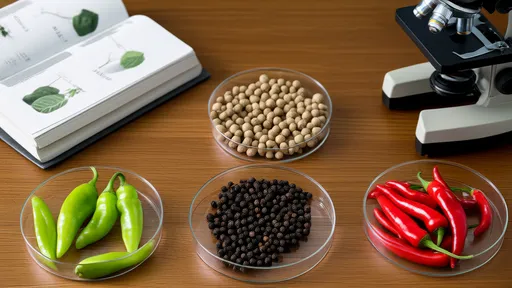
In the world of spices, few are as universally recognized yet widely misunderstood as pepper. The tiny, wrinkled spheres that fill our shakers and spice racks come in a variety of colors—black, white, green, and red—each with its own distinct flavor, aroma, and culinary application. What may come as a surprise to many is that all these varieties originate from the very same plant: Piper nigrum, a flowering vine native to the Malabar Coast of India. This remarkable plant produces berries that, depending on their stage of harvest and method of processing, transform into the different peppers we know and love.
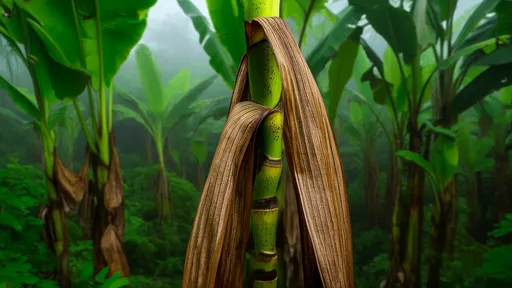
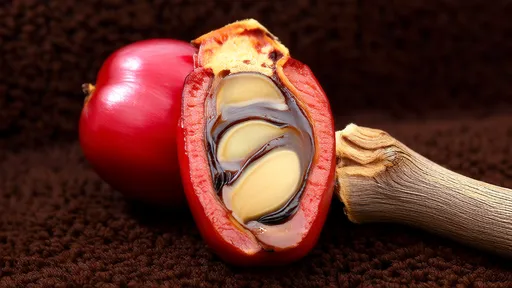
The journey of pepper begins with the Piper nigrum vine, which thrives in tropical climates with high humidity and well-drained soil. The plant bears small, pendulous spikes of flowers that develop into fruit clusters. These fruits, known as peppercorns, start their life as hard, green berries. As they mature, they undergo a dramatic color transformation, turning yellow, then orange, and finally reaching a vibrant red when fully ripe. It is at these various stages of maturity that the berries are harvested to produce the different types of pepper.
Black pepper, the most common and widely used variety, is made from berries that are picked while still green, just as they begin to show a hint of yellow. These unripe berries are briefly blanched in hot water to clean them and break down their cell walls, then spread out to dry in the sun for several days. During this drying process, enzymatic reactions cause the outer skin to darken and shrink, forming the characteristic wrinkled, black appearance. The result is a pepper with a robust, pungent flavor and intense heat that has made it a staple in kitchens around the world.
In contrast, white pepper comes from berries that are allowed to ripen fully on the vine until they turn red. These ripe berries are soaked in water for about a week, a process that softens the outer skin and facilitates its removal. Once the skin is rubbed off, the inner seed is dried, yielding a smooth, pale peppercorn. White pepper possesses a milder, more earthy flavor than its black counterpart, with less pungency but a distinct musty note. It is particularly favored in light-colored dishes where black specks would be visually undesirable, such as cream sauces, mashed potatoes, and some European cuisines.
Green peppercorns are essentially the unripe berries preserved at their youngest stage, before any significant color change occurs. Unlike black and white peppers, green peppercorns are typically not dried but preserved through other methods to maintain their color and tender texture. They may be freeze-dried, pickled in brine or vinegar, or sometimes even sold fresh in regions where pepper is grown. Green pepper offers a fresher, milder taste with a slight crispness and bright, herbaceous notes. They are particularly popular in Thai and French cuisines, where their gentle heat and vibrant flavor complement dishes without overwhelming them.
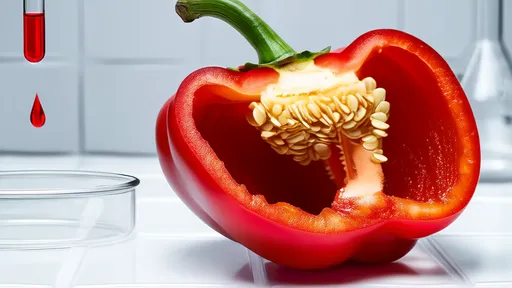
The rarest of the common pepper varieties is red pepper, which consists of berries that are left to fully ripen on the vine until they achieve a deep red color. Unlike white pepper, these berries are dried with their skin intact, sometimes after undergoing a preservation process similar to that used for green peppercorns. True red peppercorns are relatively uncommon in most markets, as they are more perishable and challenging to preserve. They offer a unique combination of sweetness from full ripeness and the characteristic heat of pepper, with fruity undertones that make them particularly valued by gourmet chefs.
The transformation of a single type of berry into these distinct pepper varieties is a testament to human ingenuity in food processing. The different stages of harvest and methods of preservation highlight how a single ingredient can be manipulated to create a spectrum of flavors, aromas, and culinary applications. This diversity has made pepper not just a seasoning, but a fundamental component of global cuisine, capable of enhancing everything from the simplest dish to the most complex gastronomic creation.
Beyond their culinary uses, peppers have played significant roles in history, trade, and even medicine. Known as "black gold" in ancient times, pepper was once so valuable that it served as currency and was a major driver of the spice trade that connected East and West. The quest for pepper led to the establishment of trade routes, the rise and fall of empires, and ultimately the age of exploration that shaped the modern world. Medicinally, pepper has been used in traditional Ayurvedic and Chinese medicine for centuries, believed to aid digestion, improve appetite, and possess anti-inflammatory properties.
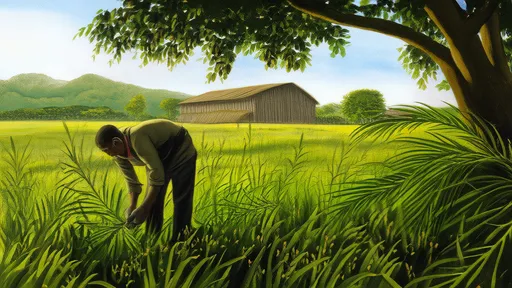
Today, pepper remains one of the most traded spices globally, with major producers including Vietnam, India, Indonesia, and Brazil. Modern agricultural practices have made pepper more accessible than ever, yet the art of producing different pepper varieties continues to rely on traditional knowledge passed down through generations. From small family farms to large plantations, the cultivation and processing of pepper remain deeply connected to cultural heritage and regional expertise.
Understanding that black, white, green, and red peppers all come from the same plant not only demystifies this common spice but also deepens our appreciation for the complexity of natural ingredients and human culinary traditions. The next time you reach for the pepper mill, consider the remarkable journey those tiny berries have taken—from a tropical vine to your table, transformed by nothing more than timing and technique into the diverse world of pepper we enjoy today.
By /Aug 29, 2025
By /Aug 29, 2025

By /Aug 29, 2025

By /Aug 29, 2025
By /Aug 29, 2025
By /Aug 29, 2025

By /Aug 29, 2025
By /Aug 29, 2025

By /Aug 29, 2025
By /Aug 29, 2025
By /Aug 29, 2025

By /Aug 29, 2025

By /Aug 29, 2025
By /Aug 29, 2025
By /Aug 29, 2025
By /Aug 29, 2025

By /Aug 29, 2025

By /Aug 29, 2025
By /Aug 29, 2025

By /Aug 29, 2025
