In the ever-evolving landscape of activewear, few garments have garnered as much attention and devotion as yoga pants. Beyond their aesthetic appeal and comfort, one of the most critical yet often overlooked aspects is their compression level. Understanding the gradation of pressure in these garments and aligning it with specific movement disciplines is not merely a matter of preference; it is a science that can profoundly impact performance, recovery, and overall physical well-being. This nuanced relationship between fabric tension and biomechanics forms the cornerstone of a truly optimized athletic experience.
The concept of compression in athletic wear is far from a modern marketing gimmick. Its roots can be traced back to medical science, where graduated compression stockings were used to improve blood flow in patients with circulatory issues. The athletic industry astutely adopted and adapted this principle, recognizing its potential to enhance venous return and oxygen delivery to working muscles during physical exertion. This translation from the clinical to the athletic realm has given rise to a sophisticated spectrum of pressure levels engineered into the very fabric of yoga pants and other performance leggings.
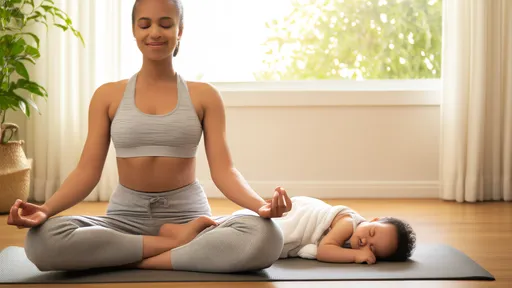
At the foundational end of the spectrum lies light compression. Characterized by a gentle, almost imperceptible hug, this level is typically achieved with fabrics that have a high percentage of cotton or other less elastic materials blended with a small amount of spandex or elastane. The primary function here is modesty and comfort rather than performance enhancement. These are the pants one might choose for a deeply restorative Yin yoga session, a meditative walk, or simply for lounging. They allow for unrestricted movement and breathability, making them ideal for low-impact activities where muscle support is not a primary concern. The wearer seeks a sense of ease and freedom, a second skin that facilitates relaxation rather than intense physical output.
Progressing up the scale, we encounter medium compression. This is arguably the most versatile and popular category, often considered the workhorse of yoga wear. Constructed with a higher ratio of performance synthetics like nylon and polyester, and a significant amount of elastane (usually between 15% to 20%), these pants offer a discernible, supportive squeeze. They strike a delicate balance between comfort and functionality. This level of pressure is exceptionally well-suited for the dynamic flows of Vinyasa or Ashtanga yoga, where the body is constantly in motion, transitioning between poses. The compression provides a layer of proprioceptive feedback—a sense of where your body is in space—which can enhance alignment and stability in balancing postures. It also offers mild muscle oscillation dampening, reducing fatigue during longer practices. Furthermore, this category is excellent for Pilates, barre, and strength training, where core engagement and controlled movement are paramount.
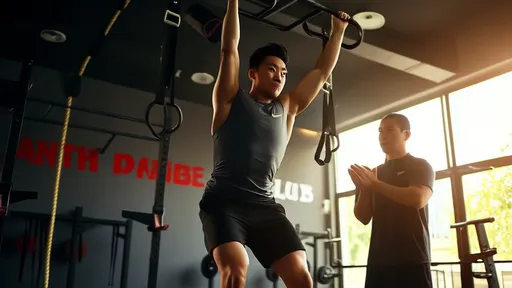
The most intense level of support is found in firm or high compression gear. These pants are engineered with advanced technical fabrics designed to deliver targeted, medical-grade pressure. The feel is immediately noticeable: a tight, secure hug that leaves little room for doubt about its supportive intentions. This category is less about everyday yoga and more about high-intensity, powerful activities. They are the preferred choice for disciplines like Bikram or Hot Yoga, where the intense heat and demanding series of postures require maximum muscle support to prevent strain and manage the excessive sweating environment. Beyond the yoga studio, this firm compression is indispensable for running, high-intensity interval training (HIIT), and advanced cycling. The significant pressure aids immensely in reducing muscle vibration, which in turn delays the onset of fatigue and soreness. It promotes superior blood circulation, ensuring that oxygen-rich blood reaches the muscles efficiently, thereby boosting endurance and power output. The psychological effect should not be underestimated either; the feeling of being "locked and loaded" can provide a powerful mental edge during competition or exceptionally tough workouts.
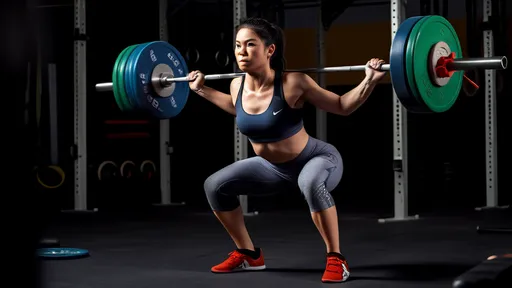
The conversation about compression would be incomplete without addressing its crucial role in recovery. The period after exertion is when the body repairs itself, and strategic compression can significantly expedite this process. While any level of compression can offer some recovery benefits, pants designed specifically for this purpose often feature graduated pressure—tightest at the extremities and gradually decreasing—mimicking the medical origin of the technology. Wearing recovery-focused compression pants after a long run, an intense power yoga session, or a heavy leg day at the gym can help flush out metabolic waste products like lactic acid, reduce inflammation and swelling, and alleviate Delayed Onset Muscle Soreness (DOMS). This practice effectively turns your activewear into a tool for enhanced physiological repair, allowing you to return to your next activity feeling fresher and stronger.
Selecting the right level of compression is a highly personal decision that extends beyond the type of activity. Individual anatomy plays a significant role; what feels like medium compression on one person might feel like firm compression on another due to differences in body shape, muscle density, and personal sensitivity. Furthermore, the intended intensity of the workout must be considered. A gentle Hatha flow might only call for light support, while preparing for a marathon or a competitive athletic event would necessitate the utmost firm support. The best practice is to become an attentive listener to your own body. Notice how different levels of pressure feel during movement and, importantly, afterward. Discomfort, pinching, or restricted movement are clear indicators that the compression level is too high or the fit is incorrect. The ideal pair should feel like a supportive embrace, empowering your movement rather than constricting it.
In conclusion, the humble yoga pant is a garment of profound sophistication. Its value is not defined by its color or brand alone, but by its engineered intention—the deliberate application of pressure to meet the demands of a specific physical endeavor. From the gentle embrace suitable for meditation to the firm, unwavering support required for peak athletic performance, this gradation of compression is a silent partner in every movement. By thoughtfully matching the pressure level to the movement type, we unlock a deeper, more symbiotic relationship with our activewear. It ceases to be just clothing and transforms into a functional tool, a catalyst for improved performance, accelerated recovery, and a greater connection to the incredible capabilities of the human body.
By /Aug 25, 2025

By /Aug 25, 2025

By /Aug 25, 2025
By /Aug 25, 2025
By /Aug 25, 2025
By /Aug 25, 2025

By /Aug 25, 2025

By /Aug 25, 2025
By /Aug 25, 2025

By /Aug 25, 2025

By /Aug 25, 2025

By /Aug 25, 2025
By /Aug 25, 2025

By /Aug 25, 2025
By /Aug 25, 2025

By /Aug 25, 2025
By /Aug 25, 2025

By /Aug 25, 2025
By /Aug 25, 2025
By /Aug 25, 2025
