For the dedicated high heel enthusiast, the allure of elevated footwear comes with an unspoken physical toll. The elegant arch and dramatic pitch that define these stylish shoes often place the feet in a biomechanically compromised position, leading to a cascade of stress that culminates in the inflammation of the plantar fascia. This thick band of tissue running along the bottom of the foot, from heel to toe, bears the brunt of this fashionable burden. Over time, the constant strain can lead to micro-tears, stiffness, and the sharp, stabbing pain characteristic of plantar fasciitis. Recognizing this, a well-curated emergency relief kit is not a luxury but a necessity for any woman whose lifestyle or profession demands long hours in heels. It is a proactive measure, a form of self-care that acknowledges the physical demands of style and arms the wearer with the tools to combat them effectively.
The cornerstone of any effective relief strategy is immediate intervention. The moment the shoes come off, the body enters a critical window for recovery. Ignoring the initial signs of discomfort—a dull ache in the heel, a tightening through the arch—is a recipe for prolonged suffering. The goal of first-aid is to counteract the effects of prolonged compression and abnormal foot positioning. This involves a multi-pronged approach: reducing inflammation, gently encouraging blood flow back to the strained tissues, and initiating a careful stretching routine to release the tightened fascia and calf muscles. Having a dedicated kit on hand, perhaps in a desk drawer at the office or in the glove compartment of a car, ensures that these crucial first steps can be taken without delay, turning a potential night of pain into manageable discomfort.
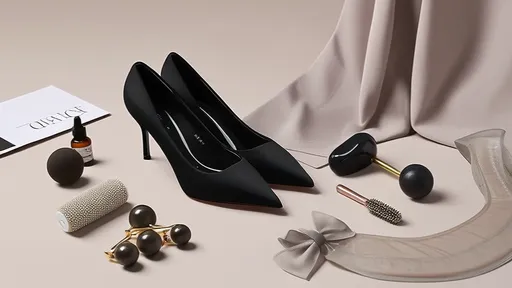
Every effective emergency kit must be built on a foundation of reliable tools. A high-quality, firm massage ball is indispensable. Unlike a simple tennis ball, a specialized spiky or textured ball can provide a deeper, more targeted release to the plantar fascia, breaking up adhesions and stimulating circulation. The next essential item is a small, portable cold pack, preferably the kind that activates instantly without the need for refrigeration. Applying cold therapy for 15-minute intervals is crucial for numbing sharp pain and reducing inflammatory responses in the tissue immediately after taking off heels. For a more advanced approach, a percussion massager can work wonders on the calves, which become notoriously tight from walking in heels, pulling on the plantar fascia and exacerbating the problem.
Beyond tools, topical applications offer direct and soothing relief. A high-potency arnica gel or cream is a natural wonder for reducing bruising and soft tissue inflammation. Menthol or camphor-based analgesic balms provide a cooling sensation that distracts from pain and soothes aching muscles. For a more intensive treatment, magnesium oil spray can be a game-changer. Magnesium is absorbed transdermally and works as a powerful muscle relaxant, helping to ease the deep tension in the feet and calves that contributes to plantar stress. Keeping these items in the kit allows for immediate topical treatment, offering a layer of comfort while the other tools are being put to use.
Immediate relief is vital, but it is only the first chapter in the story of recovery. The true power of the emergency kit lies in its role in facilitating a consistent post-heel routine. This routine should begin with a gentle roll of the arch of the foot over the massage ball for several minutes, applying enough pressure to feel a release but not so much as to cause sharp pain. This should be followed by a series of careful stretches, most importantly the calf stretch and the towel stretch for the plantar fascia. Holding each stretch for 30 seconds and repeating several times helps to gradually lengthen the tissues that have been shortened and stressed. Integrating these five to ten minutes of dedicated care into a daily ritual, especially after wearing heels, can fundamentally alter one’s relationship with this type of footwear, transforming pain from a certainty into a manageable variable.
While an emergency kit addresses the symptoms, understanding the root cause is key to long-term foot health. The biomechanics of walking in heels shift the body's weight forward, forcing the toes into a cramped position and placing immense strain on the metatarsals and the plantar fascia ligament. The calf muscle is also forced into a permanently contracted state. This is not a natural position for the human foot, and the body rebels with pain. Therefore, the most sophisticated kit also includes an element of prevention. This encompasses smarter choices, like opting for heels with a wider toe box, a lower and thicker heel, or incorporating supportive insoles designed for high heels that offer better arch support and cushioning. The kit, therefore, becomes part of a larger philosophy: one can embrace the power and confidence of heels without accepting pain as an inevitable byproduct.
Ultimately, the High Heel Herald's Emergency Relief Kit is more than a collection of objects; it is an empowerment toolkit. It represents a shift from passive suffering to active management. It acknowledges that the pursuit of style and the reality of human anatomy often exist in tension, but that this tension need not be a losing battle. By equipping oneself with knowledge and the right resources, the modern woman can navigate her world on her own terms—literally and figuratively. She can command a room in her stilettos and later command her own recovery, ensuring that her feet, the foundation that carries her through life, remain strong, healthy, and ready for whatever comes next.
By /Aug 25, 2025

By /Aug 25, 2025

By /Aug 25, 2025
By /Aug 25, 2025
By /Aug 25, 2025

By /Aug 25, 2025

By /Aug 25, 2025

By /Aug 25, 2025
By /Aug 25, 2025
By /Aug 25, 2025
By /Aug 25, 2025
By /Aug 25, 2025
By /Aug 25, 2025
By /Aug 25, 2025

By /Aug 25, 2025
By /Aug 25, 2025
By /Aug 25, 2025

By /Aug 25, 2025
By /Aug 25, 2025
By /Aug 25, 2025
