For female athletes and fitness enthusiasts, understanding how hormonal fluctuations throughout the menstrual cycle impact physical performance can be transformative. The ebb and flow of estrogen and progesterone don't just regulate reproduction; they significantly influence energy levels, recovery capacity, and even injury risk. By aligning training intensity with these natural hormonal phases, women can work with their bodies rather than against them, potentially unlocking new levels of performance and well-being that a one-size-fits-all training plan often overlooks.
The menstrual cycle is typically divided into two main phases: the follicular phase, which begins with menstruation and ends with ovulation, and the luteal phase, which spans from ovulation until the next period begins. Each phase creates a distinct internal environment. The follicular phase is generally characterized by rising estrogen levels, while the luteal phase sees a peak and then a decline in both estrogen and progesterone. These hormonal shifts are not merely background noise; they are active drivers of physiological processes that affect everything from metabolism and core temperature to ligament laxity and mood.
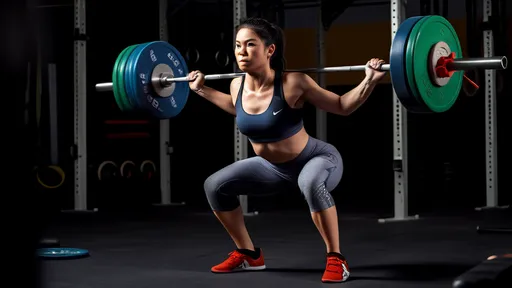
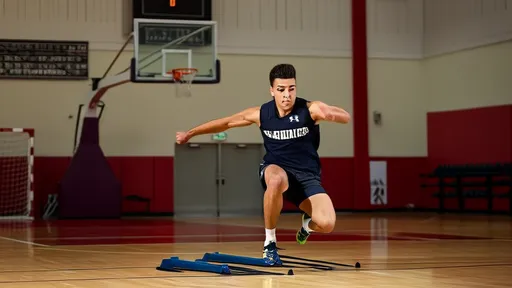
Many women report a noticeable surge in energy and a heightened sense of well-being during the follicular phase, particularly in the days leading up to and including ovulation. This isn't just a psychological phenomenon. Estrogen promotes the use of fat for fuel, helps maintain muscle mass, and can enhance mood and motivation. From a training perspective, this window often presents a prime opportunity to tackle high-intensity workouts. This is the time to schedule those demanding strength sessions, heavy lifts, high-intensity interval training (HIIT), speed work, or any activity that requires explosive power and mental fortitude. The body is often more resilient, capable of pushing harder and recovering more efficiently during this estrogen-dominant period.
Conversely, the luteal phase, especially the latter half often referred to as the premenstrual window, introduces a different set of conditions. With progesterone levels elevated, the body's basal temperature rises slightly, and it may begin to rely more on carbohydrates for energy. This phase can also be accompanied by symptoms like bloating, breast tenderness, and fluctuations in mood. Importantly, rising progesterone levels can increase ligament laxity, potentially elevating the risk of soft tissue injuries. This is not the time to force peak performance or attempt personal records in the gym. Instead, the focus should shift towards maintenance, technique refinement, and lower-intensity steady-state cardio. Activities like moderate cycling, swimming, brisk walking, or yoga can be immensely beneficial, helping to manage symptoms without overtaxing a system that is naturally under more stress.
The period of menstruation itself, the first few days of the follicular phase, is highly individual. Some women experience significant cramping and fatigue, while others feel minimal disruption. Listening to the body is paramount here. If energy is low, gentle movement like stretching, walking, or restorative yoga can aid circulation and alleviate cramps without being draining. For those who feel fine, a return to moderate activity is perfectly acceptable. The key is flexibility and self-compassion, rejecting the notion that one must train through significant discomfort.
It is crucial to understand that this framework is a guide, not a rigid prescription. Every woman's cycle is unique. Factors like stress, diet, sleep quality, and underlying health conditions can profoundly influence how these phases are experienced. The most powerful tool any athlete has is self-awareness. Tracking your cycle alongside your energy levels, sleep patterns, workout performance, and mood over several months can reveal your personal patterns. This biofeedback allows for the customization of these general principles into a truly personalized training plan.
Embracing a cycle-synced approach to training requires a shift in mindset. It challenges the traditional, linear model of constantly pushing for progress and replaces it with a cyclical one that honors the body's natural rhythms. Some weeks are for building intensity, while others are for consolidation and recovery. This nuanced strategy does not hinder progress; it fosters sustainable, long-term advancement by reducing the risk of burnout and overtraining. It empowers women to make informed decisions, turning the menstrual cycle from a perceived obstacle into a strategic advantage in their athletic pursuits.
By /Aug 25, 2025

By /Aug 25, 2025
By /Aug 25, 2025

By /Aug 25, 2025
By /Aug 25, 2025

By /Aug 25, 2025

By /Aug 25, 2025
By /Aug 25, 2025
By /Aug 25, 2025

By /Aug 25, 2025

By /Aug 25, 2025

By /Aug 25, 2025
By /Aug 25, 2025

By /Aug 25, 2025

By /Aug 25, 2025

By /Aug 25, 2025

By /Aug 25, 2025

By /Aug 25, 2025
By /Aug 25, 2025
By /Aug 25, 2025
